At Seraj Law, we go beyond legal representation.
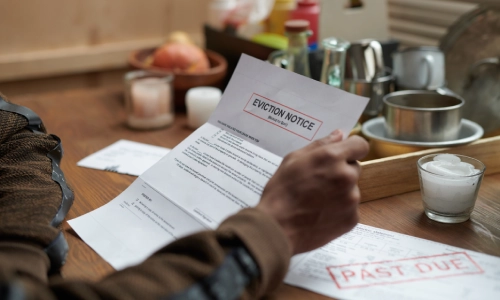 Evictions in New York are rarely simple. Between strict tenant protections, detailed notice requirements, and the busy dockets of Housing Courts, even a straightforward case can quickly become complicated. For landlords, property managers, and business owners, this means that removing a tenant for nonpayment, lease violations, or holding over after a lease has expired often requires skilled legal representation.
A knowledgeable New York eviction lawyer helps navigate this process by ensuring compliance with state statutes and local housing codes. From Manhattan’s Housing Court to Albany City Court and beyond, an attorney can guide you through every step, protecting your property rights, reducing costly delays, and giving you the confidence that your case is handled properly.
Eviction law in New York is complex, and landlords who attempt to navigate the process alone often face costly delays or outright dismissal of their cases. A New York eviction attorney ensures that every step, from the initial notice until the final notice, is completed correctly and in compliance with state law. Without this guidance, even minor errors, such as missing details in a rent demand or miscalculating notice periods, can prevent an eviction from moving forward.
In New York City, Housing Court judges are particularly strict about notice accuracy and tenant rights, while in Albany, courts often review lease terms carefully when handling holdover cases. An attorney familiar with these regional differences can anticipate challenges and build a stronger case from the start
Eviction isn’t a one-size-fits-all process. Landlords in New York may encounter different types of disputes depending on the circumstances, the type of property, and the tenant involved. Understanding the categories of eviction helps clarify what legal action may be necessary.
The most common cases involve tenants who fail to pay rent. Before filing, landlords typically serve a written rent demand. Tenants may raise defenses such as repairs not made or arrears already paid.
These cases arise when a tenant remains after the lease expires or violates lease terms (for example, unauthorized subletting or chronic nuisance). Holdover cases can be more complex, especially where rent-regulated or subsidized housing is involved.
Businesses renting offices, retail, or restaurant space can also face eviction for nonpayment or lease violations. Commercial disputes often involve detailed lease riders and strict notice procedures.
Properties subject to rent stabilization, public housing rules, or subsidy programs carry additional legal requirements. Landlords must follow state and, where applicable, local rules before initiating proceedings.
For official background, forms, and step-by-step guidance, see the New York Courts’ Homes & Evictions resource.
Eviction in New York follows a strict legal process, and landlords must comply with every step to avoid delays or dismissal of their case. From serving notices to enforcing a judgment, each stage has specific requirements that vary slightly depending on location, such as New York City versus upstate counties like Albany.
The process begins with a proper notice, often a rent demand in nonpayment cases or a notice to quit in holdover matters. In the New York City Housing Court, judges frequently dismiss cases if notices are missing information, while the Albany City Court requires landlords to show proof that notices were served correctly.
If the tenant does not comply with the notice, the landlord may file a petition in Housing Court (NYC) or City Court (upstate). The petition outlines the grounds for eviction and sets the case for a hearing.
At the hearing, the judge will consider evidence from both sides. Tenants often raise defenses such as improper notice, repair issues, or retaliatory eviction. Courts in places like Brooklyn Housing Court and Albany County are known for carefully examining tenant defenses to ensure fairness.
If the landlord prevails, the court issues a judgment and a warrant of eviction. This warrant authorizes a city marshal in NYC or the county sheriff upstate to remove the tenant if they do not leave voluntarily.
Only marshals or sheriffs may enforce an eviction. Landlords are prohibited from self-help measures, such as changing locks or shutting off utilities. Violating this rule can expose landlords to penalties and lawsuits.
By following each step carefully, landlords ensure compliance with New York law and reduce the risk of costly delays.
Working with a New York eviction law firm offers advantages that go beyond legal paperwork. Local attorneys understand not only the landlord-tenant statutes but also how eviction cases are handled differently across the state.
In New York City, Housing Court judges in boroughs like Manhattan, Brooklyn, and Queens enforce strict tenant protections, requiring landlords to demonstrate full compliance with notice and service rules. Upstate, Albany City Court and County courts often emphasize lease language and proper documentation, particularly in student housing disputes near SUNY Albany.
A dedicated eviction law firm can:
For official procedural materials, the New York courts publish statewide landlord and tenant forms and guidelines, which include non-payment and holdover, including the required notices and filings.
Tenants in New York have some of the strongest protections in the country, which means landlords must be prepared to address defenses that can delay or stop an eviction. Understanding these rights is critical for landlords to avoid mistakes that could undermine their case.
By anticipating these defenses, landlords and their attorneys can better prepare for hearings and increase the chances of a successful outcome.
Seraj Law represents landlords and tenants across the greater Albany area, including Albany, Schenectady, Troy, Rotterdam, Watervliet, Cohoes, Rensselaer, East Greenbush, and Glenville.
Every eviction case is different. Some involve months of unpaid rent, while others stem from lease violations or holdover tenants refusing to leave. What they all share is the need for careful attention to New York’s landlord-tenant laws. Without it, even straightforward cases can stall.
At Seraj Law, we work alongside landlords to simplify what can otherwise feel like a frustrating and uncertain process. Whether you own a small rental in Albany or manage multi-unit properties in New York City, our team helps you take the right steps at the right time. For more information, speak with a New York real estate lawyer law firm to discuss your situation.
The timeline depends on the case type and location. In New York City, Housing Court cases may take several months due to crowded dockets. On one hand, upstate courts such as the Albany City Court may move faster if notices and filings are done correctly.
No. Self-help evictions, such as changing locks, removing belongings, or shutting off utilities, are illegal in New York. Only a city marshal or county sheriff can enforce an eviction order.
Tenants have the right to receive proper notice, present defenses in court, and remain in the property until a court issues a judgment and warrant of eviction.
Yes. Eviction filings and judgments are part of the public record, though some protections may apply in limited cases, especially in housing court reforms implemented in recent years.
For rent-stabilized or rent-controlled apartments in New York City, landlords must follow additional rules. Evictions usually require specific grounds, such as owner occupancy, chronic late payments, or lease violations, and are subject to oversight by housing regulators.