At Seraj Law, we go beyond legal representation.
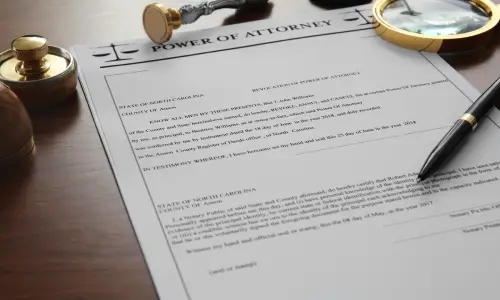 A Power of Attorney (POA) is one of the most important legal tools you can put in place to protect yourself and your loved ones. It allows you to authorize a trusted person, known as your agent, to act on your behalf in financial, legal, or personal matters. In New York, where daily life often involves managing property, business, or complex healthcare needs, having a valid POA ensures your affairs are handled smoothly if you are unable to manage them yourself.
Many people mistakenly believe that a POA is only for the elderly or seriously ill. In reality, it’s a valuable safeguard for anyone, from professionals in Manhattan who travel frequently, to families in Albany planning for the future. By designating someone you trust, you ensure continuity and peace of mind, no matter what unexpected events may arise.
New York has unique requirements for creating a valid Power of Attorney. In 2021, the state revised its laws to make the POA form simpler, but it also added stricter rules, such as requiring two witnesses and a notary, to help prevent fraud and abuse. A New York power of attorney lawyer ensures your document complies with these rules so it will be honored by banks, courts, and government agencies.
Many people try to use generic online forms, but these are often rejected by New York banks or title companies, especially if they don’t exactly match the statutory requirements. For example, Albany County Surrogate’s Court has rejected improperly drafted POAs in probate cases, forcing families into costly legal proceedings.
By working with an attorney, you gain peace of mind that your POA will stand up to scrutiny across New York, from large financial institutions in NYC to local banks in upstate towns. Legal guidance ensures your agent has the authority they need while protecting your interests and preventing unintended consequences.
Not all Power of Attorneys are the same. Each type of POA serves a different purpose depending on your needs. A New York POA lawyer can explain the distinctions and help you choose the right option for your situation.
For a detailed explanation of the official short form and its requirements, the New York State Bar Association’s overview of the statutory Power of Attorney offers clear guidance on how the document is structured and applied.
Creating a Power of Attorney in New York is not as simple as signing a piece of paper. It must comply with specific statutory rules to be legally valid. If these rules are not followed, banks, courts, and government agencies may reject the document, leaving families without the authority, regardless of whether they need it in critical moments.
These requirements apply across New York State, but they take on special importance in high-volume jurisdictions. For example, Albany County Surrogate’s Court frequently reviews POAs when they are used in estate proceedings, while New York City courts often encounter them in real estate and business transactions. Financial institutions in Manhattan and Long Island, in particular, may strictly scrutinize POAs to confirm they match statutory language before allowing access to accounts or property.
By ensuring your document meets these requirements, you reduce the risk of costly delays and give your agent the ability to act on your behalf without unnecessary obstacles.
Granting someone Power of Attorney gives them significant authority, which makes it essential to build safeguards into the document. Without careful planning, a POA could be misused to access funds, transfer property, or make decisions that go beyond what you intended.
For further background, resources such as the New York State Comptroller’s page on powers of attorney outline how these documents are applied in official contexts and the safeguards that can help prevent misuse.
Working with a New York power of attorney lawyer ensures these protections are written into your document, giving you the confidence that your agent will act only in your best interests.
A Power of Attorney is more than just a standalone document, it is a vital part of a comprehensive estate plan. In New York, where families often own valuable real estate, operate businesses, or hold retirement accounts through state programs, a POA ensures that someone you trust can manage these assets if you are unable to.
In Albany and throughout the Capital Region, POAs are commonly used to manage real estate transactions, oversee small businesses, or handle investments tied to state employment benefits. In New York City, where property values and financial accounts are often significant, POAs are particularly valuable in avoiding costly delays when urgent financial action is needed.
By incorporating a POA into your estate plan, you reduce the risk of court intervention, protect your family from financial uncertainty, and ensure your legacy is managed according to your wishes.
Establishing a Power of Attorney is one of the most effective steps you can take to protect your future and provide peace of mind for your loved ones. Whether you need a durable POA to manage long-term financial matters, a limited POA for a specific transaction, or a healthcare proxy to ensure your medical wishes are respected, having the right legal guidance makes the process smooth and secure.
At Seraj Law, our team of lawyers helps clients across New York create, update, and safeguard POAs that comply with state law and reflect individual goals. Our attorneys take the time to explain your options and tailor your documents to fit your unique circumstances. To begin the process, consult an estate planning attorney in New York today.
A durable POA remains valid even if you become incapacitated, while a non-durable POA ends when you can no longer make decisions for yourself.
Yes, but it is risky. New York requires strict compliance with statutory forms, witnesses, and notarization. Errors can lead to rejection by banks or courts, which is why many people rely on legal assistance.
You can revoke a POA at any time as long as you are mentally competent. Revocation must be in writing, signed, and ideally notarized, with copies provided to your agent and any institutions relying on it.
Most POAs in New York remain valid until revoked. However, some are drafted for a limited purpose or timeframe, such as completing a real estate transaction in Albany, and expire once that task is complete.
Without a POA, your loved ones may need to seek guardianship through the courts to manage your affairs. This process is time-consuming, expensive, and emotionally difficult, especially during a crisis.