


Traffic Tickets
Fighting a Traffic Ticket in New York
At Seraj Law, we go beyond legal representation.
Key Summary:
 Car accidents are stressful, often disorienting events. In the moments following a collision, your mind races, adrenaline surges, and it can be difficult to think clearly. Yet the actions you take in those critical first minutes and hours can have a profound impact on your physical recovery, your legal standing, and your financial well-being.
Whether you’ve been in a minor fender bender or a serious crash, having a plan matters. Knowing the right steps to take immediately after a car accident can help you avoid costly mistakes, preserve crucial evidence, and protect your ability to seek compensation down the road.
In the immediate aftermath of a collision, knowing exactly what to do can feel overwhelming. However, having a clear, step-by-step plan can help you cut through the chaos and confusion, empowering you to act with purpose rather than panic.
By following this guide, you can protect yourself and others from further harm, preserve the evidence needed to build a strong case, and lay the groundwork for a smoother insurance and recovery process.
Your immediate priority after any collision is the safety of everyone involved. Accidents can create dangerous conditions such as stalled vehicles in active lanes, leaking fluids, or shattered glass, so quick action is important.
If your car is still operable and it is safe to do so, move it to the shoulder of the road, to a nearby parking lot, or another location out of the flow of traffic. Turn on your hazard lights right away to alert approaching drivers to the situation.
If the vehicle cannot be moved, stay inside with your seatbelt fastened until help arrives, unless remaining in the vehicle poses an immediate danger, such as fire or the risk of a secondary collision.
Avoid standing in active traffic lanes under any circumstances. If you must exit your vehicle, move to a sidewalk, grassy median, or behind a guardrail.
Once you are in a safe position, take a moment to assess yourself, your passengers, and anyone else involved in the accident for injuries. Adrenaline can mask pain, so even if you feel fine initially, pay close attention to any emerging discomfort, dizziness, numbness, or difficulty moving.
Check on the occupants of the other vehicles as well, if it is safe to approach. If someone is seriously injured, do not attempt to move them unless there is an immediate threat, such as a fire or an unstable vehicle.
Moving an injured person can worsen spinal or internal injuries. If you have first-aid training, provide basic assistance where appropriate, such as applying pressure to a wound or helping someone stay calm and still until paramedics arrive.
Even in accidents that appear minor, car accident injuries like whiplash, concussions, and soft tissue damage can go unnoticed for hours or even days. Keep this in mind as you continue through the remaining steps.
Call emergency services immediately by dialing 911 or your local emergency number. Provide the dispatcher with your location, the number of vehicles involved, and a brief description of any injuries.
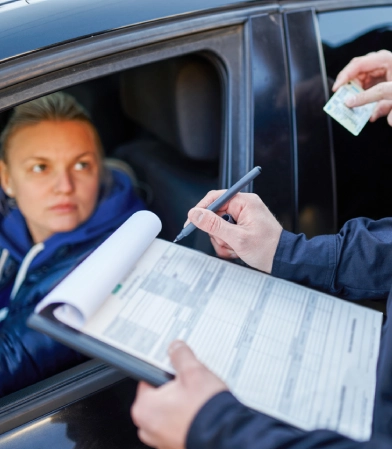
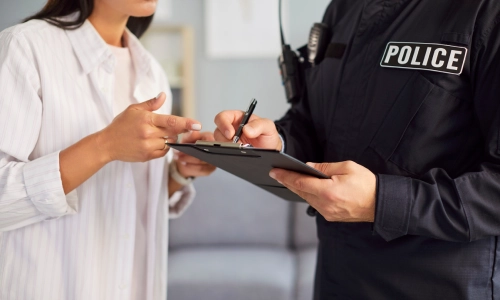
Regardless of how minor the accident may seem, it is important to contact law enforcement. A police report creates an official, impartial record of the incident that can prove invaluable when filing insurance claims or pursuing legal action.
When officers arrive, cooperate fully. Answer their questions honestly and factually, but be careful not to speculate about fault or make statements like “I think it was my fault.”
Instead, stick to the facts and mention the following:
The determination of fault is a matter for investigators, insurers, and, if necessary, the courts to decide.
Ask the responding officers how you can obtain a copy of the police report, as your insurance company will likely request it. In some jurisdictions, you can also file a report online or at your local police station if officers are unable to respond to the scene.
Once everyone’s safety has been addressed and law enforcement has been contacted, begin collecting information from all parties involved in the accident. Accurate and thorough records at the scene can make a significant difference in how smoothly the claims process goes later.
At a minimum, gather the following from every driver involved:
If there are witnesses at the scene, ask for their names and contact information as well. Witness testimony can be critical in disputed claims.
Be polite and cooperative during these exchanges, but remember, this is not the time to discuss who was at fault or who needs to apologize, as such statements can be used against you later.
Thorough documentation is one of the most important things you can do at the accident scene. In the age of smartphones, capturing visual evidence is quick and easy, and it can also make or break an insurance claim or legal case.
Use your phone to take clear, well-lit photos of the following:
Beyond photographs, make written notes as soon as possible. Record the time and date of the accident, the exact location, the direction each vehicle was traveling, the weather conditions, and any other factors that may have contributed to the collision.
Memory fades quickly, so writing a brief narrative of what happened while details are still fresh can be extremely valuable if the case is reviewed weeks or months later.
Report the accident to your insurance company as soon as possible, ideally the same day. Most policies require prompt notification, and delays can complicate or even jeopardize your claim.
When speaking with your insurer, provide a straightforward, factual account of what happened. Share the photos and documentation you gathered at the scene, as well as the police report number if one is available.
Be honest and concise in your description, and avoid speculating about who was at fault or the extent of the damage. Your insurance company will assign a claims adjuster to your case, who will guide you through the next steps, such as getting repair estimates, arranging a rental car, or scheduling an independent medical examination.
That said, do not accept any offer your insurer makes right away. Insurance companies are businesses and are likely to keep their offers low. Keep a record of all communications with your insurer and review everything they say.
Even if you walked away from the accident feeling fine, it is essential to see a doctor as soon as possible. Many common car accident injuries, do not present obvious symptoms right away.
Delayed symptoms can emerge hours, days, or even weeks after the collision.
A prompt medical evaluation accomplishes two important things. First, it ensures that any hidden injuries are identified and treated early, preventing them from worsening. Second, it creates a documented medical record that directly links your injuries to the accident.
This documentation is critical if you later pursue an insurance claim or personal injury lawsuit, as gaps in medical treatment can be used by the opposing party to argue that your injuries were not serious or were caused by something else.
Keep detailed records of every doctor visit, diagnostic test, prescription, physical therapy session, and medical expense related to the accident. These records form the foundation of any compensation claim.
Depending on the severity of the accident, the extent of your injuries, and the cooperation of the other parties involved, you may need professional legal guidance to protect your rights and secure fair compensation.
Consider consulting with a lawyer if you sustained significant injuries requiring ongoing medical treatment, if the other party’s insurance company disputes your claim or offers a settlement that seems too low, if fault for the accident is being contested, or if the accident involved complex circumstances such as multiple vehicles, commercial trucks, or government vehicles.
A team of experienced personal injury attorneys at Seraj Law can evaluate the full scope of your damages, including medical bills, lost wages, future treatment costs, and pain and suffering, and advocate on your behalf during negotiations or in court. In the meantime, retain all documentation related to the accident, including photos, the police report, medical records, repair estimates, and any correspondence with insurance companies.
Even well-intentioned drivers can make errors in the chaotic moments after a collision. Being aware of these common pitfalls can help you avoid jeopardizing your safety, your health, and your potential legal claim.
Staying calm, focused, and methodical after a car accident is easier said than done, but it can make all the difference. By prioritizing safety, documenting the scene thoroughly, seeking prompt medical care, and communicating responsibly with authorities and your insurance provider, you give yourself the strongest possible foundation for recovery, both physically and financially.
However, navigating the insurance process and legal system on your own can be overwhelming, especially when you are dealing with injuries and the stress of an unexpected accident. That is where experienced legal representation can help.
Contact Seraj Law today at (518) 941-8579 for a free consultation. Our team will help you understand your legal options, assess the full value of your claim, and fight to ensure you receive the compensation you deserve.
blogs

