At Seraj Law, we go beyond legal representation.
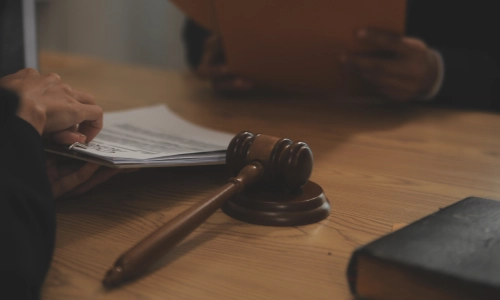 At Seraj Law, our New York contract lawyers represent clients throughout the entire state of New York, from the bustling streets of NYC to the growing business communities of Albany, Syracuse, and Long Island. We draft, review, negotiate, and litigate contracts across every industry.
Every day, businesses and individuals across New York enter into agreements that shape their financial futures, protect their assets, and define their professional relationships. Whether you’re signing a lease in Manhattan, negotiating a partnership agreement in Buffalo, or reviewing a vendor contract in Rochester, the strength of your contract determines whether you’re protected or exposed.
One poorly drafted clause, one overlooked provision, or one ambiguous term can cost you thousands, or even jeopardize your entire business. We understand that New York law has specific requirements and precedents that don’t exist elsewhere, and we use that knowledge to help our clients make informed decisions.
The internet is filled with contract templates and DIY legal documents promising to save you money. But here’s what those templates won’t tell you: a contract that works in California or Texas may be completely unenforceable in New York.
Our state has specific statutes, case law, and court interpretations that govern how contracts are formed, what terms are enforceable, and what remedies are available when agreements fail.
The risks of poorly written contracts often outweigh the benefits.
We’ve seen businesses lose six-figure deals because their vendor agreements lacked proper termination clauses. We’ve watched entrepreneurs give away their intellectual property because their partnership agreements didn’t specify ownership rights.
Common mistakes in DIY agreements include failing to specify governing law and jurisdiction, omitting essential terms that New York courts require for enforceability, using inconsistent definitions throughout the document, and neglecting to address what happens when circumstances change. Many people also overlook New York’s Statute of Frauds, which requires certain contracts to be in writing to be enforceable, or they ignore specific disclosure requirements for consumer contracts under the New York General Obligations Law.
When you work with an experienced New York contract attorney from Seraj Law, you get a strategic tool designed to protect your interests, anticipate problems, and position you for success. Every contract we draft undergoes careful legal review to ensure it complies with current New York law and addresses your specific objectives.
Our extensive experience covers a wide array of contractual agreements crucial to both businesses and individuals. We provide tailored legal services for each, ensuring that every document is meticulously crafted to meet New York’s specific legal standards and our clients’ distinct objectives.
These contracts form the backbone of commercial relationships throughout New York. We draft and review partnership agreements that clearly define profit-sharing, decision-making authority, and exit strategies.
Our vendor contracts protect you from supply chain disruptions and ensure quality standards are met. For franchise agreements, we navigate the complex disclosure requirements under both federal law and New York’s franchise regulations, ensuring franchisors comply fully while franchisees understand their obligations and territorial rights.
Agreements between employers and employees require careful attention to New York’s employee-friendly legal landscape. Our executive employment contracts address compensation, benefits, termination provisions, and dispute resolution in ways that protect both employers and high-level employees.
For independent contractor agreements, we create clear distinctions that help you avoid costly misclassification penalties under New York Labor Law, which presumes most workers are employees unless specific criteria are met.
Property laws and regulations in New York carry particular complexities: commercial leases must address rent escalations, common area maintenance, and compliance with local zoning ordinances, requirements that vary dramatically between New York City and upstate communities.
Purchase agreements need proper contingencies for title issues, environmental concerns, and financing, plus compliance with New York’s disclosure requirements for property conditions.
Development contracts must navigate complex regulatory approvals and ensure contractors meet bonding requirements under New York Lien Law.
Consumer contracts face heightened scrutiny under New York General Business Law and consumer protection statutes. Warranties must comply with both the Uniform Commercial Code as adopted in New York, and the federal Magnuson-Moss Act requirements.
Service agreements need clear cancellation policies and cannot contain unconscionable terms that New York courts routinely strike down. We help businesses create consumer contracts that are enforceable while remaining fair, avoiding the predatory provisions that trigger regulatory investigations and class-action lawsuits.
Understanding these common contract pitfalls helps you recognize red flags in your own agreements and take action before small problems become major disputes. Here are the most frequent contract issues we encounter in our New York practice.
We believe that a well-crafted contract is more than just a legal document, it’s carefully drafted to protect your interests. Our approach is one with a practical understanding of your business goals.
Don’t leave your business and personal agreements to chance. Whether you need a contract drafted from scratch, an existing agreement reviewed before signing, terms negotiated to protect your interests, or aggressive representation in a contract dispute, our experienced New York business lawyers are ready to help.
Contact us today to schedule your consultation. Protect your agreements, protect your future, speak with a New York contract lawyer from Seraj Law today.
For a contract to be enforceable in New York, it must have offer, acceptance, consideration (something of value exchanged), mutual intent to be bound, and legal subject matter. Certain contracts must also be in writing under the Statute of Frauds, including agreements for real property sales, contracts that cannot be performed within one year, and promises to pay another’s debt.
Even “simple” contracts can contain provisions that expose you to significant risk. A lawyer’s review typically costs far less than the potential losses from an unfavorable term you overlooked.
We’ve seen supposedly simple vendor agreements contain indemnification clauses that created six-figure liabilities and routine employment contracts with non-compete terms that violated New York law.
While there’s significant overlap, contract lawyers specifically focus on drafting, reviewing, and litigating agreements, while business lawyers handle broader corporate matters, including formation, governance, regulatory compliance, and transactions. Our firm provides both services, ensuring seamless representation across all your legal needs.
Costs vary based on complexity and scope. Simple contract reviews may cost $500-$1,500, while drafting complex commercial agreements typically ranges from $2,000-$10,000. Litigation matters are usually handled on hourly rates of $300-$600 or contingency arrangements where appropriate. We provide transparent fee estimates upfront and work within your budget.
Verbal contracts are enforceable in New York for most purposes, but proving their terms is challenging. The Statute of Frauds requires certain contracts to be written, including real estate transactions and agreements that cannot be completed within one year. Even when verbal contracts are legally valid, written agreements provide far better protection and clarity.